How Much Does a Mural Cost? 12 Factors Behind the Quote
Learn how mural pricing is shaped by size, detail, wall condition, access, materials, location, schedule and commercial project scope.

“How much does a mural cost?” sounds like a question that should have one number. In practice, two walls with the same square metres can require completely different budgets. A smooth indoor wall with a graphic composition is not the same project as a detailed exterior façade that needs repair, a lift, weather-resistant materials and work outside business hours.
I am Asil Argun. I have produced murals, graffiti, paintings and tattoo work since 2010. This guide explains how I evaluate a mural project in Antalya and elsewhere in Turkey, what a professional proposal should clarify and which information allows you to receive a useful estimate quickly. It does not publish a universal price list because the honest price belongs to the defined scope.
Why a square-metre price is only a starting point
Area is useful for estimating the amount of surface, paint and broad labour. It cannot describe the density of the image, the condition of the wall, the height or the number of site visits. A mostly open composition and a photorealistic scene may cover the same wall while demanding very different design and execution time.
A preliminary square-metre reference may be used after the project type is known. For a reliable proposal, area must be read together with complexity, access, surface and schedule.
1. Wall width, height and total painted area
The first calculation is the actual area to be painted—not necessarily the full architectural wall. Doors, windows, columns, corners and separate surfaces change the workflow. A long low wall is also different from a narrow vertical façade with the same area because the working position and access change.
Send both width and height, plus one photograph showing the entire wall and its surroundings. If measurements are approximate, label them as approximate.
2. Design complexity and visual density
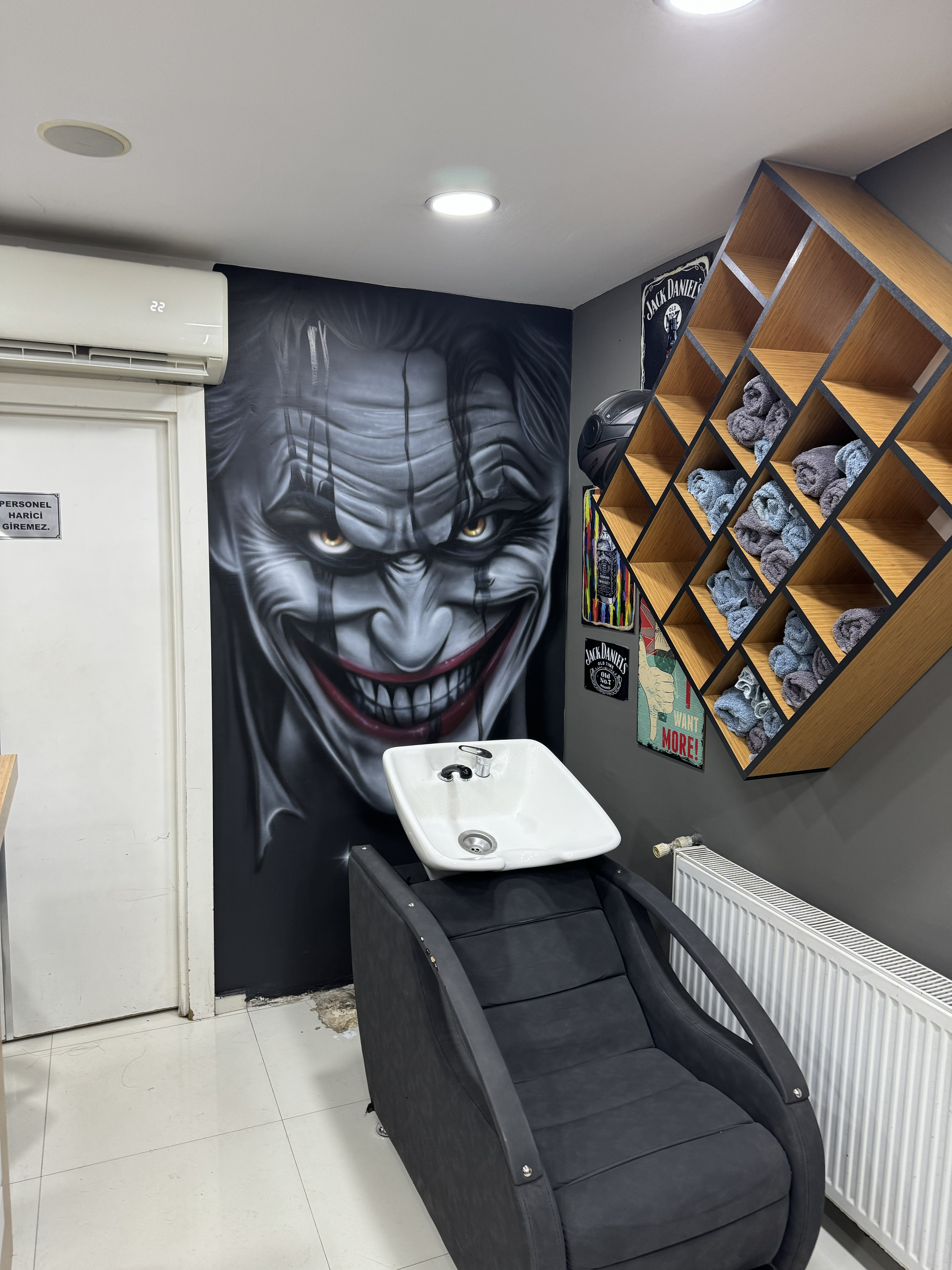
Bold shapes, a limited palette and open areas can be executed faster than realistic portraits, layered narratives, detailed plants, lettering or exact architectural perspective. Complexity includes not only the number of elements but also the precision required at viewing distance.
A commercial logo or brand colour may need tighter consistency than an expressive mark. The quote should reflect the selected direction, not simply the physical size.
3. Concept development and revision rounds
A site-specific mural begins before paint reaches the wall. Briefing, reference research, sketches, digital mock-ups, colour decisions and approvals require time. A proposal should state how many concept routes and revision rounds are included and what counts as a new direction.
Clear decision-makers reduce unnecessary revisions. For a business project, gather feedback from the brand, architect and operator before approving the final design.
4. The wall's condition and preparation
Cracks, peeling paint, moisture, dust, grease, old coatings and rough texture can prevent reliable application. Cleaning, repair, sanding, primer or a new base coat may be required before artistic work begins. Some building defects must be resolved by the property owner or an appropriate contractor.
Technical guidance from mural-material manufacturers emphasises that surface preparation is a major factor in longevity. A beautiful design cannot compensate for an unstable wall.
5. Interior or exterior application
Exterior murals face sunlight, rain, humidity, pollution and temperature changes. The paint system, colour selection, primer and possible protective layers must suit the surface and exposure. Conditions during application also affect the schedule.
Indoor projects may have different requirements: ventilation, protection of furniture and floors, odour restrictions, guest circulation and limited work hours. “Inside” is not automatically simple if the venue remains operational.
6. Height and access equipment
A wall reachable from the ground or a short platform has a different cost structure from a multi-storey façade. Scaffolding, scissor lifts, boom lifts, delivery, operator requirements, safe working zones and daily setup can become separate budget items.
Send a wide photograph that shows the ground in front of the wall. A clear wall image alone does not reveal whether equipment can enter, turn or stand safely.
7. City, transport and accommodation
Projects in Antalya can be planned from the studio, while work in another city may add transport, accommodation, material shipment and site coordination. The number of journeys matters: one continuous application and several separated visits do not create the same cost.
For projects outside Turkey or in restricted sites, logistics and required documentation are evaluated separately.
8. Schedule, weather window and business hours
An urgent deadline may require additional crew, longer days or simplified approval stages. Exterior work needs a suitable weather window. A hotel, restaurant, shop or office that must remain open may require night work, phased application or daily protection and cleanup.
Share the true opening date and any immovable events at the beginning. A realistic schedule protects both the finish and the operation of the venue.
9. Materials and protective coating
Primer, base coat, artist paints, spray paint, masking materials and a suitable protective system are selected according to the wall. Not every mural requires the same coating. Breathability, existing paint, sun exposure and the possibility of graffiti or frequent cleaning should be considered before a clear coat is specified.
Professional exterior guidance from GOLDEN and the Canadian Conservation Institute stresses matching the materials and preparation to the support and environment. Product choice should follow the actual project, not a generic shopping list.
10. Permissions, safety and site responsibilities
For exterior or public-facing work, the property owner's permission and any required local approvals should be clear before production. The proposal should also identify who provides access, electricity, water, barriers, parking, lift equipment and surface repairs.
Unclear responsibilities lead to delays and unexpected costs. Confirming them in writing is part of professional project planning.
11. Commercial usage, documentation and credits
A mural may appear in advertising, menus, social media, press photographs or campaign films. Discuss the intended use, artist credit, professional photography and whether design files or additional adaptations are expected. Painting a wall and creating separate advertising artwork are not automatically the same deliverable.
The scope should also state whether final project photographs and behind-the-scenes documentation are included.
12. Maintenance and future touch-ups
Exterior walls age, buildings move and public surfaces can be damaged. A maintenance plan may include inspection, cleaning guidance, stored colour information and the terms for future touch-ups. No professional artist should promise that every mural will remain unchanged forever.
Longevity depends on the wall, exposure, materials, preparation and what happens to the building after completion.
What can be included in a mural proposal?
- Concept development and stated revision rounds.
- Approved visual mock-up and colour direction.
- Artist labour and project coordination.
- Specified paint and application materials.
- Surface preparation when included in the artist's scope.
- Floor, furniture and surrounding-area protection.
- Lift, scaffold or access equipment when required.
- Travel and accommodation when applicable.
- Protective coating if technically appropriate.
- Schedule, payment stages and acceptance process.
- Photography, credit and commercial-use terms.
Ask what is included and excluded. A lower total may omit preparation, equipment, design work or protection that another quote includes.
How to reduce the budget without making the project look cheap
The best savings come from defining scope, not from weakening materials or skipping preparation. Consider one high-impact wall instead of several disconnected surfaces, a strong composition with controlled detail, a limited palette or a phased project built around one visual system.
Prepare the wall correctly before the artist arrives, provide uninterrupted access and gather approvals into one clear feedback round. Never hide moisture or surface damage to obtain a lower first estimate; it will reappear as delay or failure.
Information needed for a useful estimate
- City and exact type of venue.
- Indoor or outdoor location.
- Wall width and height.
- Clear front, side and wide-context photographs.
- Surface material and known problems.
- Ground-to-top height and access conditions.
- Desired style, message and reference images.
- Deadline, opening hours and site restrictions.
- Brand or architectural files, if relevant.
- Whether you have a target budget range.
With this information I can usually decide whether a preliminary range is possible or whether the site should be inspected first.
Frequently asked questions
Can I get a price from one photograph?
A photograph can support an initial conversation, but accurate dimensions, surface condition, access and design scope are still required. A site visit may be necessary.
Are larger murals always more expensive per square metre?
Total cost usually increases with scale, but unit pricing does not always rise in a straight line. Large open areas may be faster per square metre than a small, extremely detailed composition.
Can you work with a fixed budget?
Yes, when the budget is realistic for the site. The design, painted area, detail, schedule or phasing can be shaped transparently around the available scope.
Do you work outside Antalya?
Yes. Projects elsewhere in Turkey and international enquiries are evaluated with travel, schedule and logistics included.
Plan the project
For the full commissioning process, read the commercial mural guide. If you are planning a hotel, restaurant or café, explore 12 hospitality mural ideas. You can view selected mural projects or send the wall photographs and measurements through the project form.
Technical and planning references
- GOLDEN Artist Colors: Painting Exterior Murals
- Canadian Conservation Institute: Creating a New Mural
- Mural Routes: Planning a Mural Project
Request a mural estimate: send the city, wall photographs, approximate dimensions, indoor/outdoor status, desired style and deadline through the project form.